
Nearchus
A Journey into the Unknown

Have you ever imagined Greeks fighting Sasquatches? A fleet in battle formations against giant whales? Towns made of bones? Fish-people and Sun-loving cults coming in contact with the Hellenistic era explorers?
You recently asked me for Badass History and my Subscribers voted for a Hellenistic Era topic; I am here to deliver both with a wild exploration story. A journey of brave men that embarked to explore the unknown, and lived to tell the story. Such is our story today, the near-mythical and gruesome expedition of Nearchus, Alexander’s admiral, who traversed the Great Southern Ocean on an expedition from India to the Persian Gulf.
Follow me on this journey where I will narrate the unbelievable pain, anguish and glory of men who encountered monsoons, strange cults, beastly tribes and other sights that the Greeks could not have imagined possible.
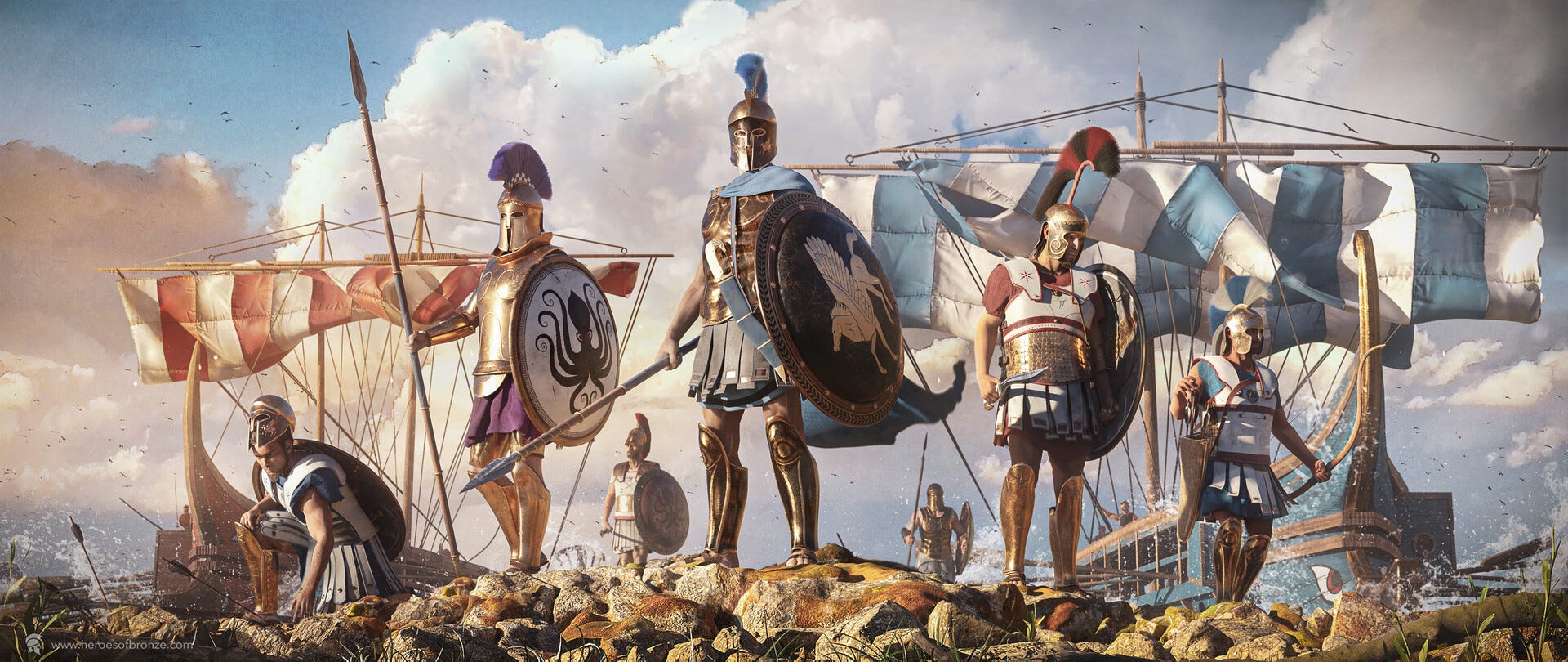
In the waning days of Alexander the Great's relentless campaigns, as the fires of conquest simmered in the embers of an empire stretched to its limits, a new odyssey beckoned. The Southern Ocean, vast and shrouded in mystery, called out to the bold and the brave. Among those who answered this call was Nearchus, a trusted admiral and friend of Alexander, whose name would be etched into the annals of history as a daring explorer of uncharted waters.
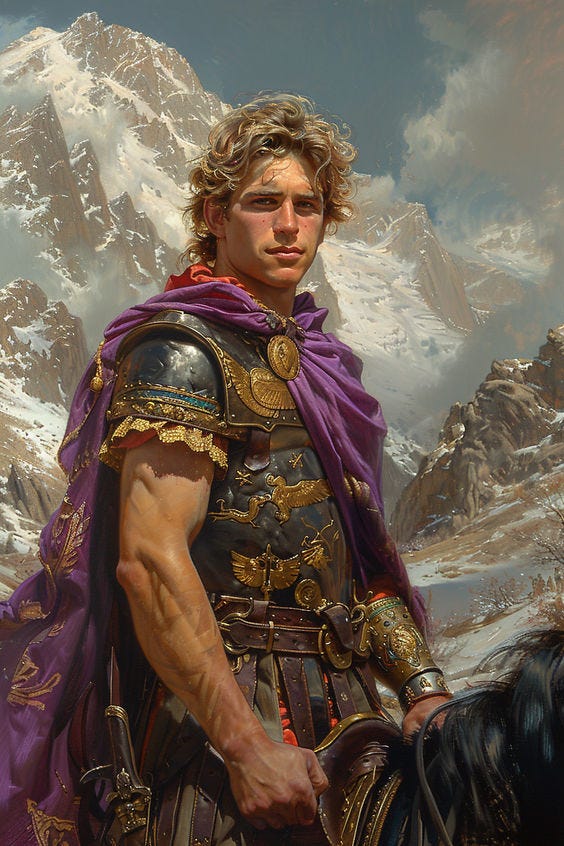
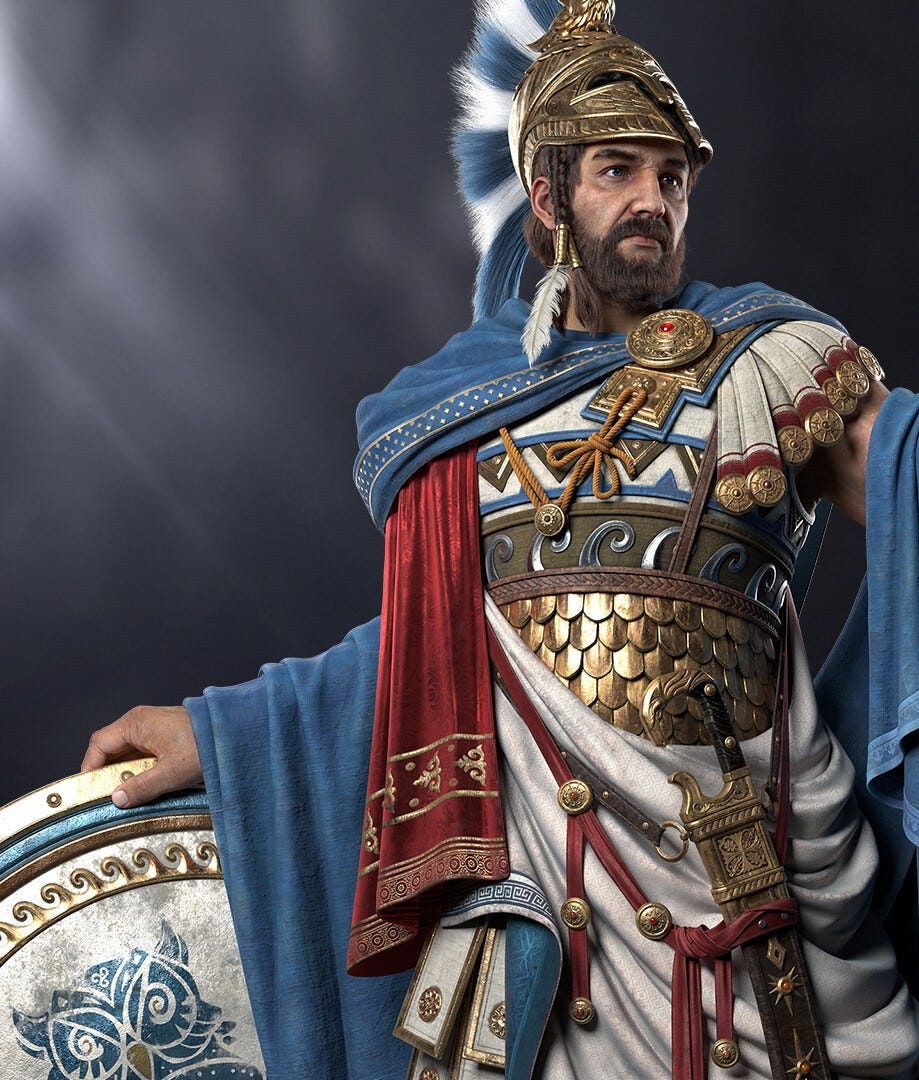
The career of Nearchus (360-312 BC), who came from Crete, is inexorably tied with that of his friend and leader, Alexander the Great. Initially recruited by Philipp, he fought by the side of his friend and commander, Alexander, until the end. His role as a close associate was revealed early, when the leader granted him the role of satrap over the provinces of Lydia and Pamphylia in Asia Minor. Now, as they regrouped and met in India, they began preparations for the return to the West and Alexander again granted Nearchus the position of admiral of the fleet.
Alexander’s plan, after consolidating power in Western India and reaching the delta of the Indus, was to separate his army and send half with a fleet, led by Nearchus, to explore the Ocean find the best possible sea route. Nearchus was tasked with an extraordinary mission: to navigate the treacherous waters from the mouth of the Indus River, across the vast expanse of the Southern Ocean, back to the familiar shores of Persia. Alexander led personally the other half through the harsh deserts of Carmenia (modern southern Iran) and Gedrosia; they would rendezvous at the mouths of the great Rivers Tiger and Euphrates.
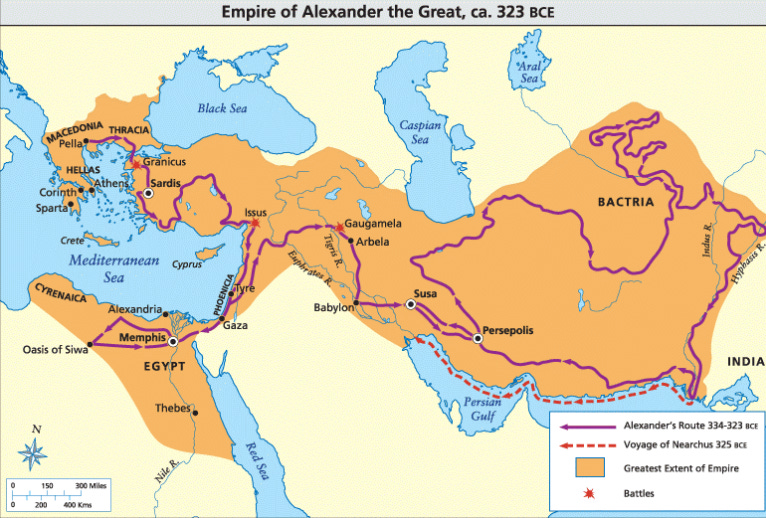
In crossing the desert, Alexander's army took enormous casualties from hunger and thirst, but fought no human enemy. It is still not well understood why he chose that treacherous route through such a harsh desert, that had annihilated the armies of Semiramis and Cyrus in the past.
Some claimed that he was angry at his army (the Greek backbone at least) that had denied his wish to continue fighting in India. My personal take is that the reason was dual:
He was an incredibly gifted strategist and an explorer. He knew that in order to hold India he needed to discover more efficient routes to transport goods and armies.
His soul ached for exploration and glory; he knew that no army had managed to cross the desert of Gedrosia, but that meant no one had explored it either. He wanted to be the only one. And indeed, he was.
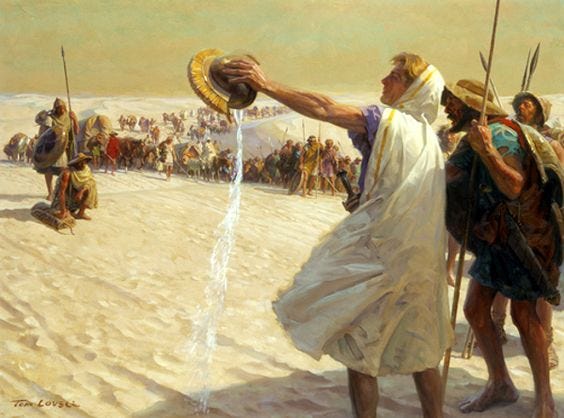
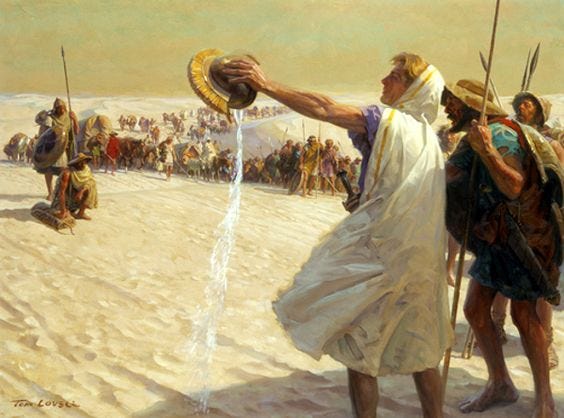
More than half the army perished in that crossing and this is where we see the legendary leadership skills and mental strength of Alexander; when some scouts found a few drops of water, they took it to the King. He thanked them and in front of the whole army spilled in on the ground saying: “If they don’t drink, I don’t drink either”. How can you not admire the strength of this man, even at his weakest?
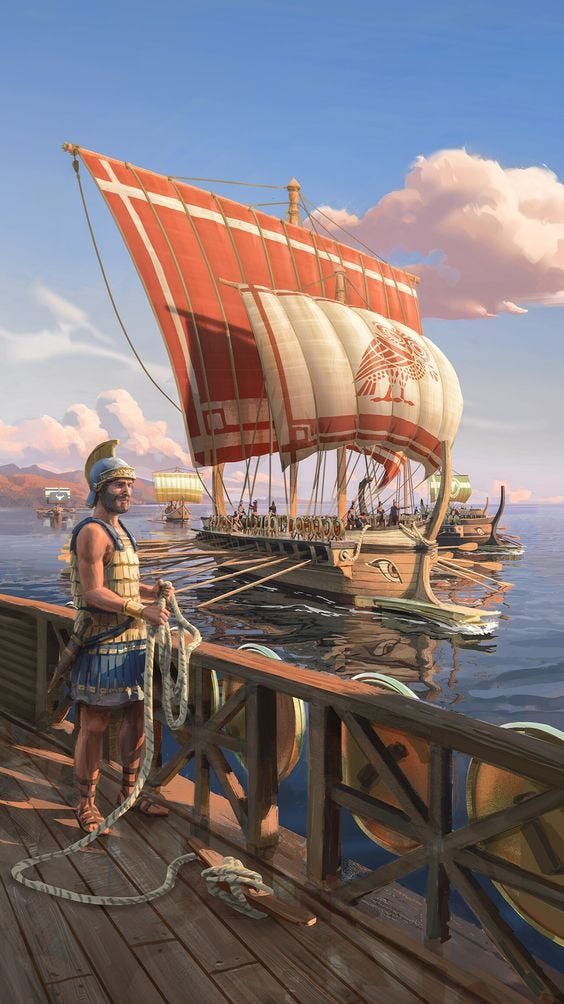
Nearchus’ journey, on the other hand, commenced in 326 BCE; with a fleet of sturdy ships and a crew seasoned by battle and hardship, Nearchus set sail, venturing into waters that had seldom felt the keel of a Greek ship. The ocean was an enigmatic force, a domain of gods and monsters in the minds of the ancient sailors. The Southern Ocean, with its unpredictable monsoons and hidden perils, was a canvas of both dread and wonder.
The size of the fleet must had been tremendous with wild accounts claiming it had anywhere from 150 to 800 vessels (or more), many as large as hundreds of tons. Nearchus engaged the services of Indian pilots who would serve as guides. Late in September, the fleet departed from the mouth of the Indus.
Due to unfavorable winds and dangerous monsoons, they camped near the mouth of the Indus and Arabius Rivers, building stone walls as fortification against hostile natives and subsisting off of briny water, mussels, oysters and razor-fish. After 24 days, Nearchus continued on to the harbor of Morontobara (Manora Island just off the coast of modern Karachi, Pakistan) and sailed West.
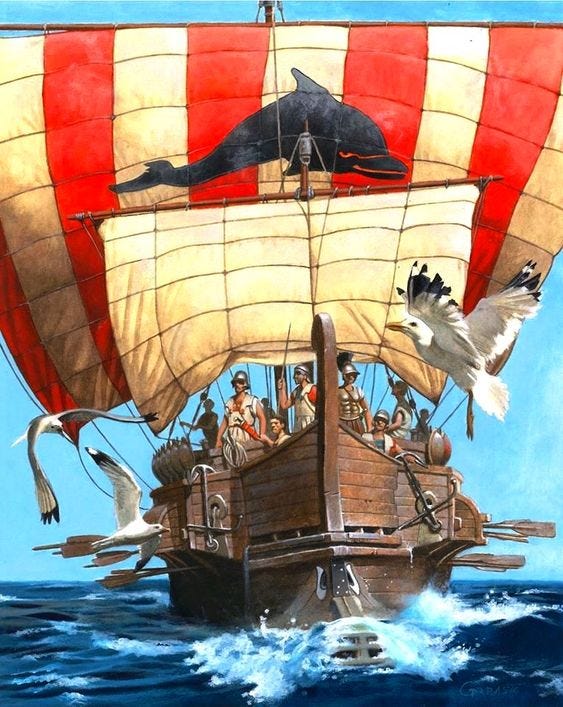
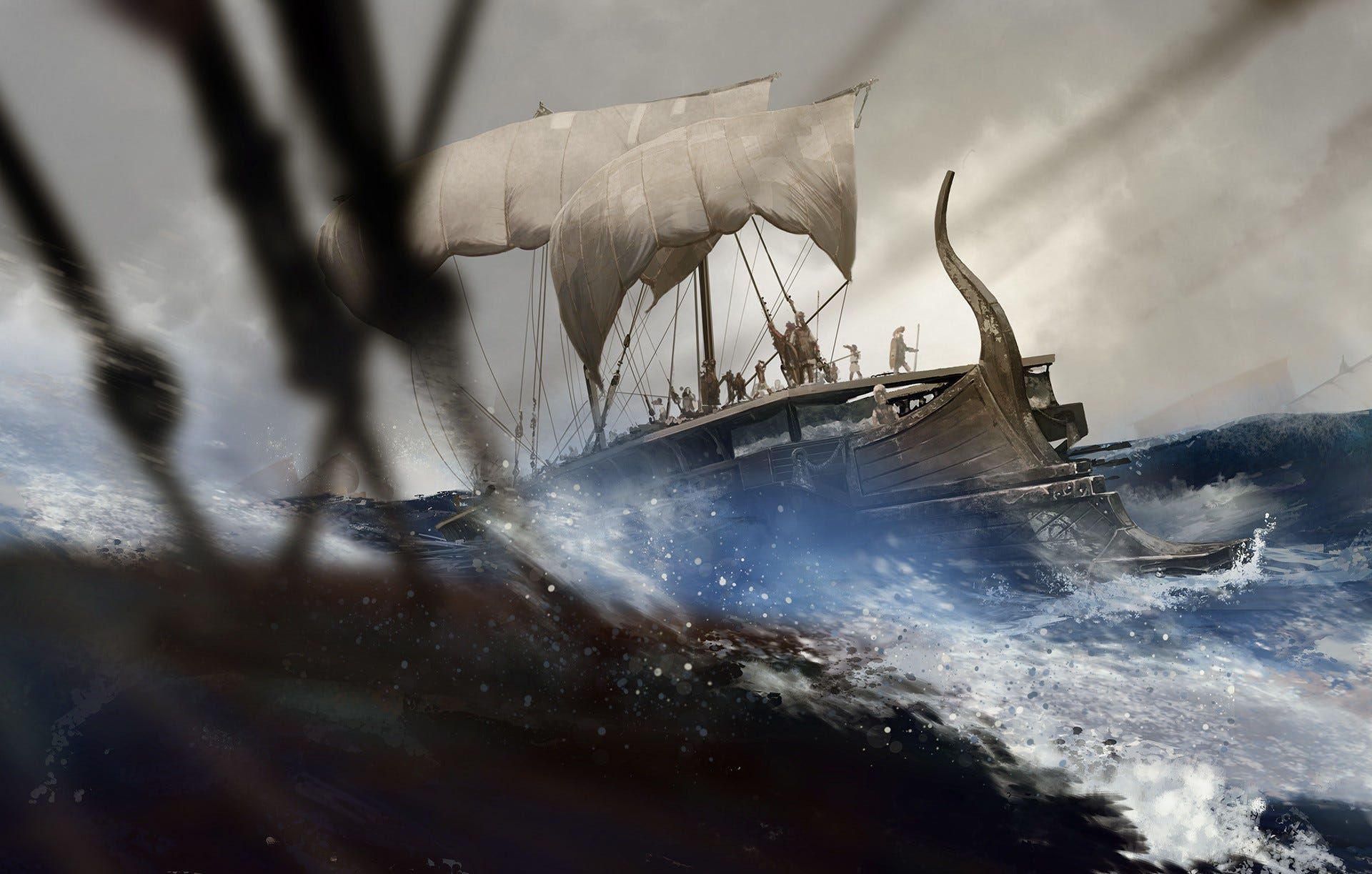
Days turned into weeks as Nearchus and his men braved the wrath of Poseidon. Storms lashed their vessels, waves towered like the very Titans of myth, and the sun blazed mercilessly overhead, turning the ocean into a shimmering, unending desert. The nights brought no respite, only the haunting songs of the sea and the glimmer of strange constellations. He was a man possessed by vision, driven by the thirst for discovery and the mandate of his king.
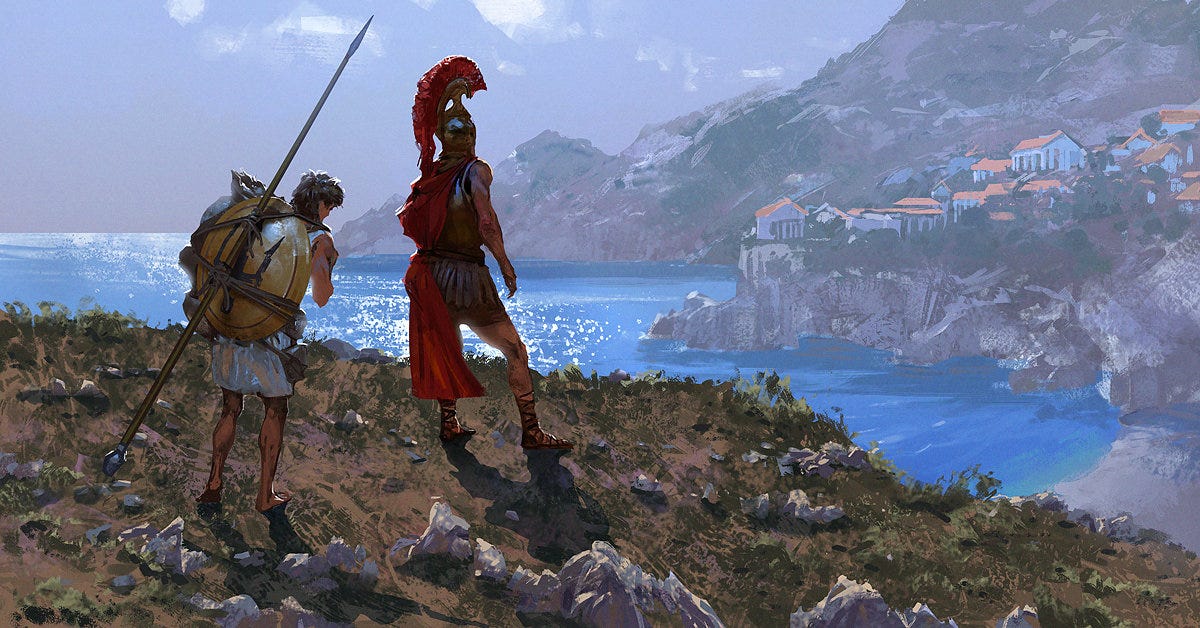
Arian says that after penetrating forty stadiums inland they found a water-hole, and after drawing water thence they returned back again. By the harbor there was a high island, desert, and round it one could get oysters and all kinds of fish. Up to this the country of the Arabians extended; they are the last Indians settled in this direction; from here on the territory, of the Oreitans begun.
The fleet encountered islands teeming with exotic flora and fauna, sights that stirred the imagination and filled the chronicles of their voyage with wonder. There were times when the sea seemed to mock their efforts, casting them into labyrinths of reefs and shoals. Supplies dwindled, and desperation gnawed at the edges of their resolve. But Nearchus, with a heart steeled by the spirit of adventure and the honor of his command, rallied his men, reminding them of the glory that awaited beyond the horizon.
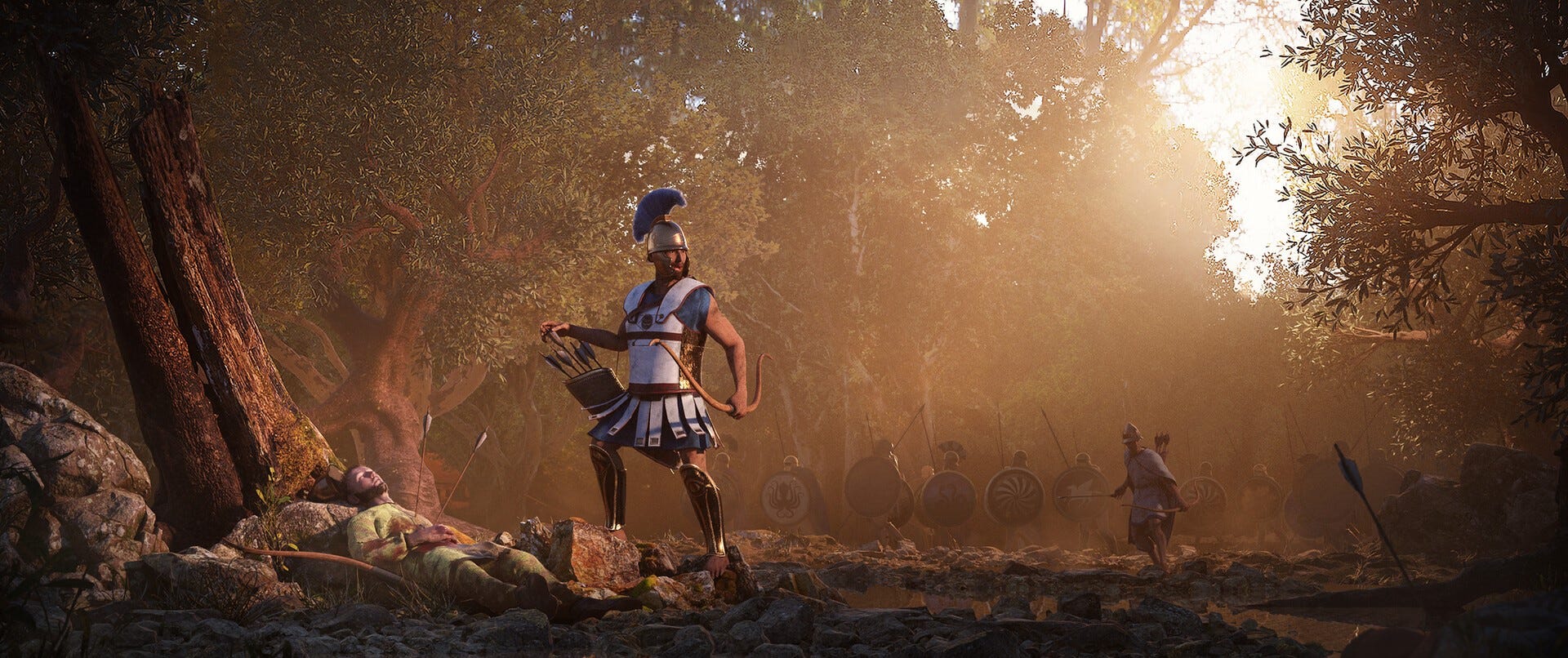
The journey was taking much longer as they often had to disembark and scout (sometimes 50 miles) inland for water and supplies. Alexander, even though his army was undergoing extremely harsh conditions, always cared for the fleet and sent detachments to the shore to share their scarce food and water.
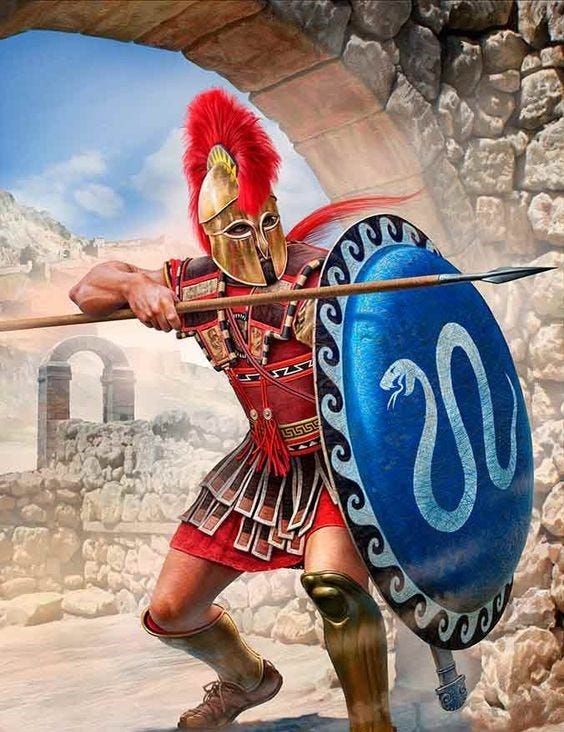
At Morontobara, Leonnatus (one of Alexander's Generals) had defeated the local Oreitans and deposited a food supply from which Nearchus' fleet subsisted. The fleet scouts discovered and managed to refuel. Resupplied, Nearchus reached the Hingol River (in Makran, Balochistan) and destroyed the native population.

This is where they encountered the "Fish Eaters", or Ichthyophagi, primitive people who lived on the Makran coast of the Arabian Sea. They had matted hair, no fire, no metal, no clothes, lived in huts made of whale bones, and ate raw seafood obtained by beachcombing. In other stories, they are also described being covered by hair, having nails like wild animals and using only clubs as weapons. Sometimes they tried stopping the disembarkation of the Greeks on the beach and were met with arrow volleys and ballistae bombardment from the ships, before the hoplites engaged them.
